
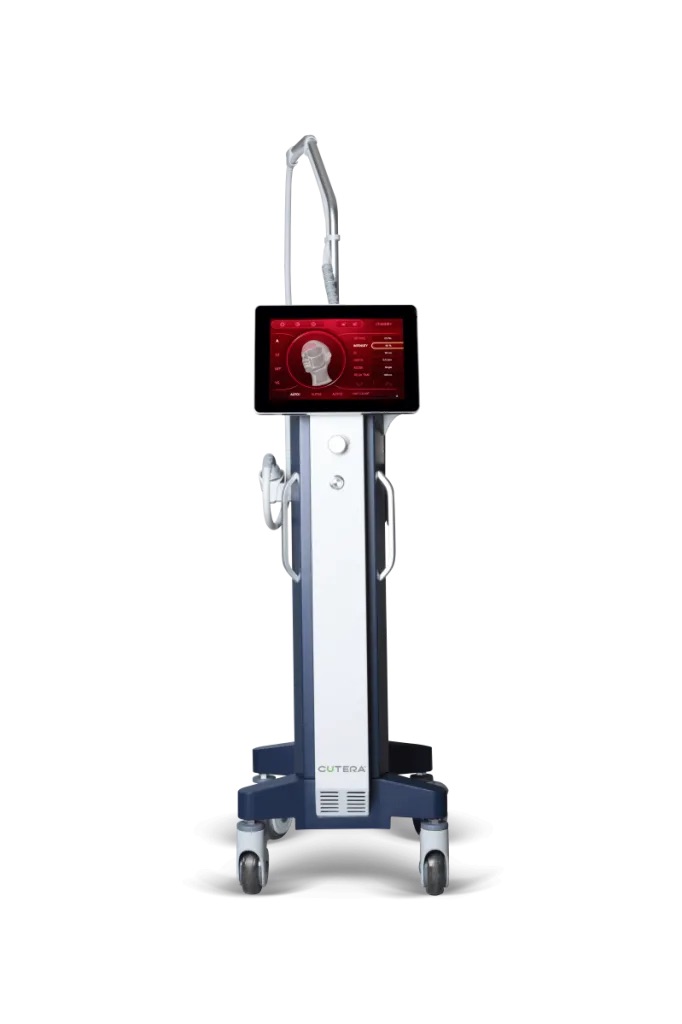
Pre Owned RF microneedling device buyer’s guide: How to pick a pre-owned system with confidence
RF microneedling has moved from trend to staple. Demand is strong for acne scars, laxity, pore size, and overall texture, and many practices now add body applications for crepey skin and stretch marks. Understanding RF microneedling machine price is essential when comparing devices, evaluating ROI, and choosing the right system for your clinic.
If you are shopping for a pre owned RF microneedling device, you can capture those outcomes at a lower capital cost, but only if you know how to compare platforms and vet a used unit properly.
This guide walks you through core technology differences, model-by-model considerations, what to inspect on a pre owned RF microneedling device, training and service questions to ask, and how to bundle RF with complementary light or laser devices. You will find answers to the most common buyer questions, plus realistic pricing and financing guidance so you can plan with confidence.
What RF microneedling actually does
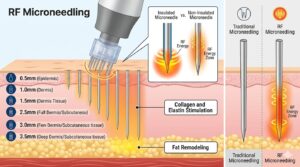
Additionally, a pre owned RF microneedling device combines controlled mechanical needle insertion with radiofrequency energy delivered into the dermis. Learn more about RF technology from NCBI research.
The goal is collagen remodeling with minimal epidermal injury. Effectiveness depends on precision in three areas:
- Needle design and density. Insulated vs non-insulated needles, tip size, and pin count influence how energy distributes and how much epidermis is spared.
- Depth control. Consistent penetration depth matters for scars (often deeper) vs pores and fine lines (typically more superficial).
- Energy delivery. Monopolar, bipolar radiofrequency (RF) energy, or multipolar RF and pulse shaping affect heat spread, comfort, and downtime.
In this guide, “bipolar” refers specifically to a radiofrequency (RF) energy delivery method used in medical aesthetic devices.
Get these right and you can address atrophic acne scars, mild to moderate laxity, enlarged pores, striae, and texture irregularities with predictable recovery.
Leading platforms at a glance
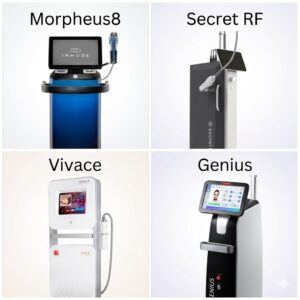
Below is a practical comparison based on commonly available configurations in the pre-owned channel. Specifications can vary by generation and software, so verify details on a specific serial number during your inspection. When comparing the best RF microneedling device options, it is important to evaluate each platform based on your clinic’s primary treatment focus.
-
Secret RF (Cutera/Ilooda)
- Known for precise depth control in 0.1 mm increments up to around 3.5 mm depending on cartridge. Offers insulated and semi-insulated tips in multiple pin counts. Strong for acne scars and pores with good tolerability. Consumables are widely available. This makes it a strong contender among the best RF microneedling device options for acne scars and pore treatments.
-
Vivace (Aesthetics Biomedical)
- Popular for patient comfort and integrated skin-tightening protocols. Typically offers 36 or 24 pin tips with adjustable depth to about 3.5 mm depending on revision. Often praised for smooth insertion and minimal downtime marketing. It is often considered one of the top RF microneedling machines for practices prioritizing patient comfort.
-
InMode Morpheus8 and Morpheus8 Body
- Deeper penetration potential than many competitors with body tips reaching up to 7 mm subdermally for adipose remodeling, plus fractional coagulation. Excellent for subdermal tightening and body areas, with face tips around 24 pin configurations. Requires careful technique to manage epidermal heating. It remains a leading RF microneedling machine for sale option for clinics expanding into body treatments.
-
Optimas with Fractora (InMode)
- An earlier RF fractional platform with pin-based ablative and coagulative tips. Effective for scars and wrinkles, though insertion mechanics differ from motorized cartridge systems and patient sensation can be more intense without proper cooling and settings.
-
Lutronic Genius (if encountered pre-owned)
- Real-time impedance feedback helps keep energy delivery consistent across variable tissue resistance. Often favored for acne scars and precision work where even heating matters. This level of control makes it a preferred used RF microneedling machine for precision-based treatments.
-
Adjuncts like Emface or Evoke
- These are not microneedling devices; they are hands-free RF or RF plus HIFES/HIFEM categories for lifting and contouring. They can complement, not replace, microneedling.
No single device wins every category. If you prioritize deep body tightening and adipose contraction, Morpheus8 Body leads. If your practice is face-first with a heavy acne-scar mix and frequent touch-up work, Secret RF and Genius offer fine control and even heating. For comfort-forward marketing and light downtime, Vivace has strong patient appeal.
If you want to browse current pre-owned options by category, see the RF microneedling machines section at Rock Bottom Lasers
Needle configurations and depth control
Most clinics benefit from carrying both insulated and semi-insulated tips. Insulated pins concentrate RF at depth with reduced epidermal heating, useful for darker skin types and deeper scars. Semi-insulated or non-insulated options deliver a gradient of heat along the needle, which can help with surface textural change and pores. Common pin counts are 24, 25, or 36; higher densities treat faster but may feel more intense.
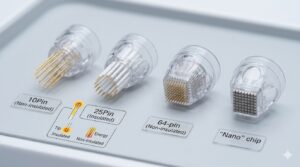
Depth ranges typically span 0.5 to 3.5 mm for face and up to 7 mm for select body tips. For boxcar or rolling acne scars on the cheeks, many providers work in the 1.5 to 3.0 mm range. For pores and fine periorbital lines, 0.5 to 1.0 mm is common. Body striae and laxity often require 3.0 mm plus, or deeper with body-specific cartridges.
Energy delivery and patient tolerability
- Monopolar RF penetrates more broadly and can feel warmer if not well managed. It may deliver more diffuse tightening.
- bipolar radiofrequency (RF) energy delivery mode focuses energy between needle pairs, which can improve precision and comfort but limits field size.
- Real-time impedance feedback (for example on Genius) can improve consistency across oily, thin, or scarred skin.
- Comfort variables include insertion mechanics, tip sharpness, topical anesthetic timing, cooling aids, and pulse stacking. Devices with smooth motorized insertion often score better in tolerability.
Downtime usually ranges from 1 to 5 days of redness and edema, with needle marks resolving quickly. Post-care and technique can reduce PIH risk in higher Fitzpatrick types.
Pre Owned RF Microneedling Device Inspection Checklist
Use this when evaluating any used RF microneedling platform.
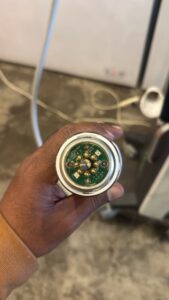
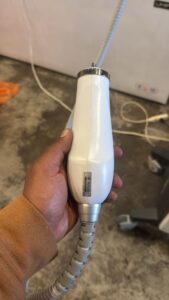
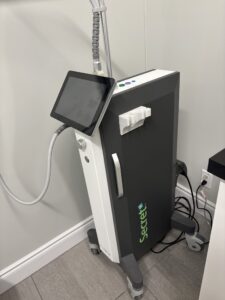
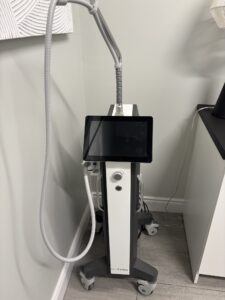
–Handpiece and cartridges. Confirm pin counts supported, availability of insulated vs semi-insulated tips, and any body-specific tips. Inspect the handpiece cable and connectors for play or visible strain.
–Tip availability and costs. Verify current pricing and sources for consumables. Ask for included starter tips and expiry dates, if applicable.
–Pulse count or shot counters. Record lifetime treatment counts where the software shows it. High counters are not automatically a deal breaker, but plan for service.
–Depth calibration. During a live or virtual demo, change depth settings and confirm the mechanism actuates cleanly. Needles should extend uniformly.
–Energy output and impedance. If the device offers impedance readouts, confirm stable readings on test passes. Ask for a basic energy test at multiple settings.
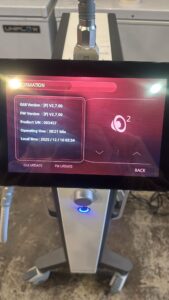
–Software version and revision. Note the exact software build. Ask the seller if a later version improves reliability, adds cartridges, or fixes error codes.
–Service history. Request service logs, past repairs, and whether the handpiece was ever rebuilt. Ask who performed service and if parts are still supported.
–Training and protocols. Confirm whether operator manuals are included and whether training is available. Rock Bottom Lasers commonly offers optional training days.
–Warranty. Most used equipment from Rock Bottom Lasers includes a 90 Day Warranty covering parts, labor, and travel beginning at delivery. Clarify coverage limits and response process.
–Accessories and cooling. Check for compatible cooling solutions and any required footpedals or cords. A Zimmer Cryo or equivalent can improve comfort and marketing.
Pricing, financing, and practical packages
RF microneedling machine price can vary significantly depending on the brand, condition, included handpieces, and availability of consumables. When evaluating RF microneedling machine price, factors such as brand, condition, and included consumables play a major role. Pre-owned pricing varies by brand, revision, condition, and included consumables. As a planning range, many RF microneedling systems trade on the secondary market from the low tens of thousands to higher tiers for flagship platforms with body tips and multiple handpieces. Additionally, understanding RF microneedling cost device expectations can help clinics plan long-term ROI and service pricing. Financing and leasing are available through partners like Approve Payments; monthly payments depend on term length, condition, and bundle size.
Consider pairing RF with light or laser for comprehensive skin programs:
-RF microneedling plus IPL for redness and pigment. A multi-application IPL platform can address vessels and sun damage between RF sessions.
-RF microneedling plus fractional CO2 for deeper resurfacing cases. Pre-owned CO2 inventory can target severe texture and etched lines; explore options under CO2 laser for sale.
-RF plus long-pulse Nd:YAG 1064 nm for rosacea-prone or darker skin types who benefit from vascular and hair reduction options. See listings grouped under 1064 nm laser to compare platforms.
If hair removal is part of your growth plan, it can be efficient to add an alexandrite or diode unit to the same financing package. Rock Bottom Lasers maintains a broad selection of professional hair removal laser machines.
Training and patient selection
Plan for at least a day of hands-on training if you are new to the platform. Emphasize scar grading, Fitzpatrick assessment, and conservative protocols for first passes. Build photo standards so you can show incremental improvements across 2 to 4 sessions. For higher Fitzpatrick types, prefer insulated tips, longer pulse durations, and lower energy, spaced appropriately to minimize PIH.
FAQ: quick answers to common buyer questions
-What is the most effective RF microneedling device? Effectiveness depends on the indication and your typical patient. For deep tightening and body, Morpheus8 Body stands out. Acne scars and precision facial work, Secret RF and Lutronic Genius are frequent top picks. For comfort-focused facial rejuvenation with strong patient appeal, many practices favor Vivace.
-What is the best RF microneedling device for 2025? There is no single best. Choose based on your case mix, need for body tips, consumable costs, training access, and local brand awareness. Verify the specific software version and handpiece condition on any pre-owned unit you shortlist.
-What is the downside of RF microneedling? Downsides can include consumable costs per tip, transient erythema and edema, potential PIH in higher Fitzpatrick types if parameters are aggressive, and operator learning curve. Rare risks include burns or track marks when technique or device condition is suboptimal.
-How do I choose the right RF device? Map your top three indications, decide whether you need body-depth capability, compare tip SKUs and pricing, confirm service support, and demo the exact unit. Use the inspection checklist above and weigh comfort, downtime, and brand recognition in your market.
-Can you overdo RF microneedling? Yes. Excessive energy, too many passes, or sessions scheduled too close together can increase risk of PIH or texture change. Most protocols space treatments 4 to 6 weeks apart with conservative stacking.
The bottom line
A smart RF microneedling purchase starts with clarity about indications, then narrows to needle options, depth control, energy delivery, and support. On the pre-owned market, condition, software version, handpiece health, and consumable supply make the difference between a workhorse and a headache. If you would like to compare available units or bundle RF with IPL or laser in one financed package, browse current RF microneedling machines and reach out!