Sale!


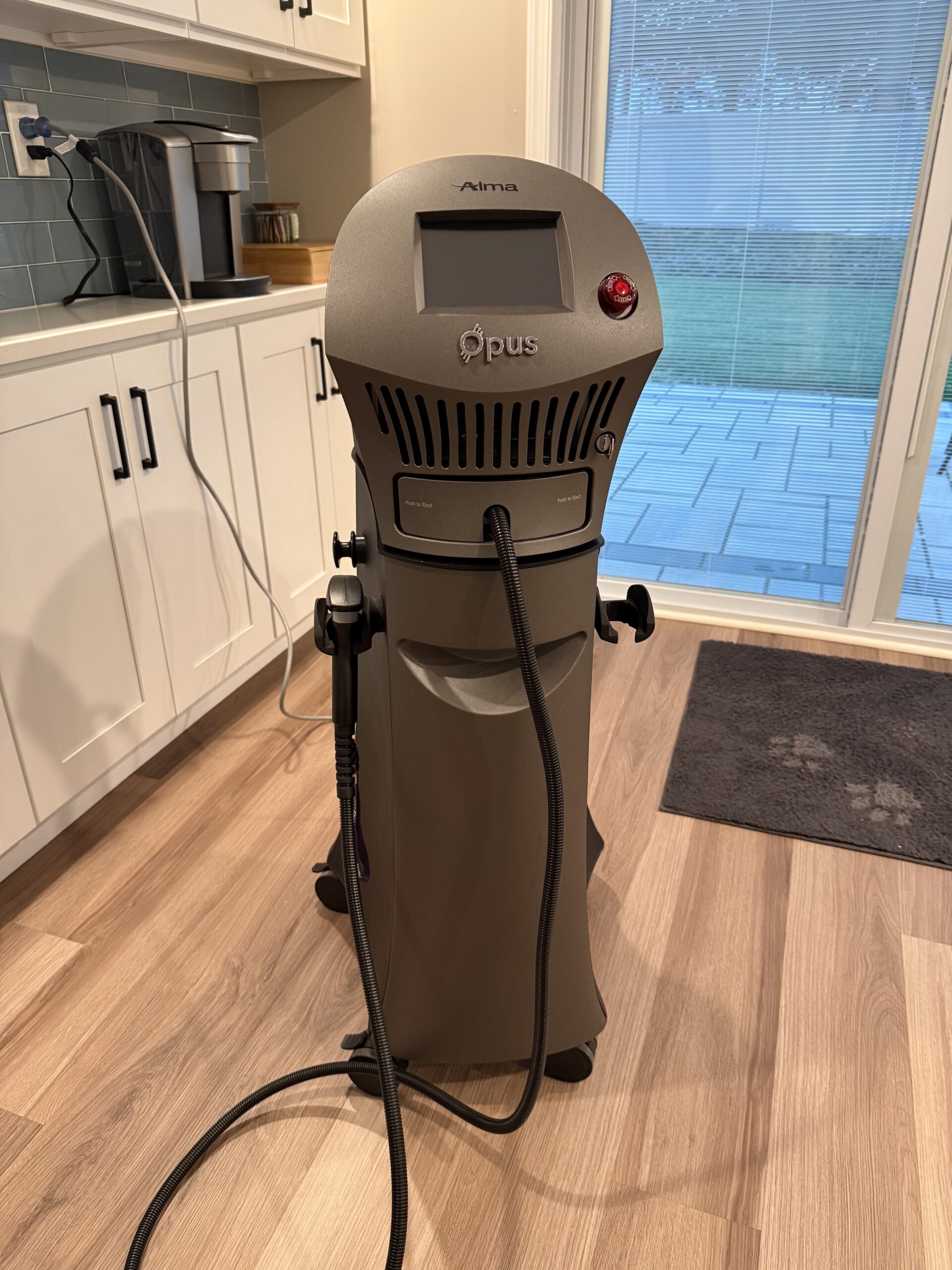
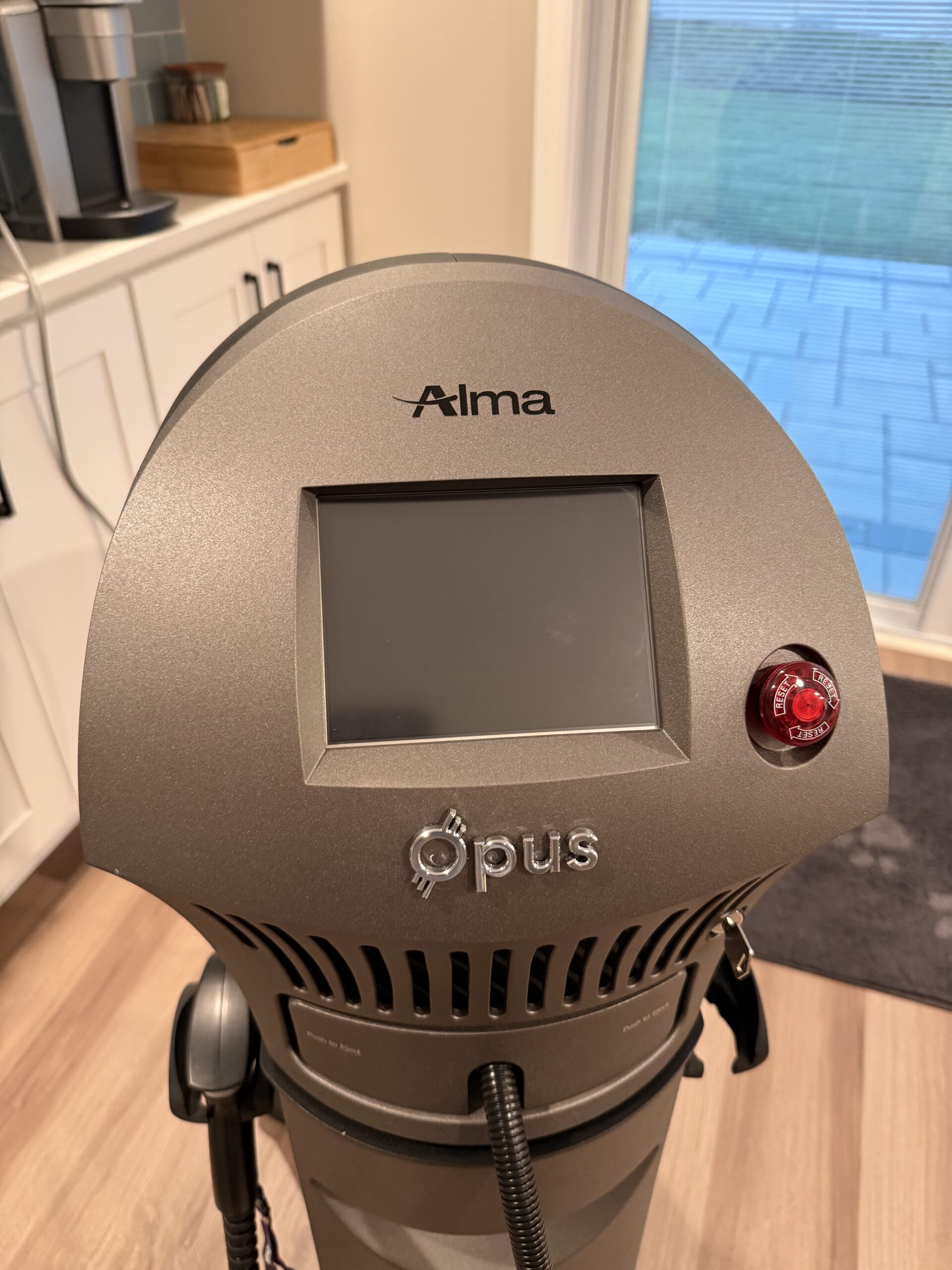
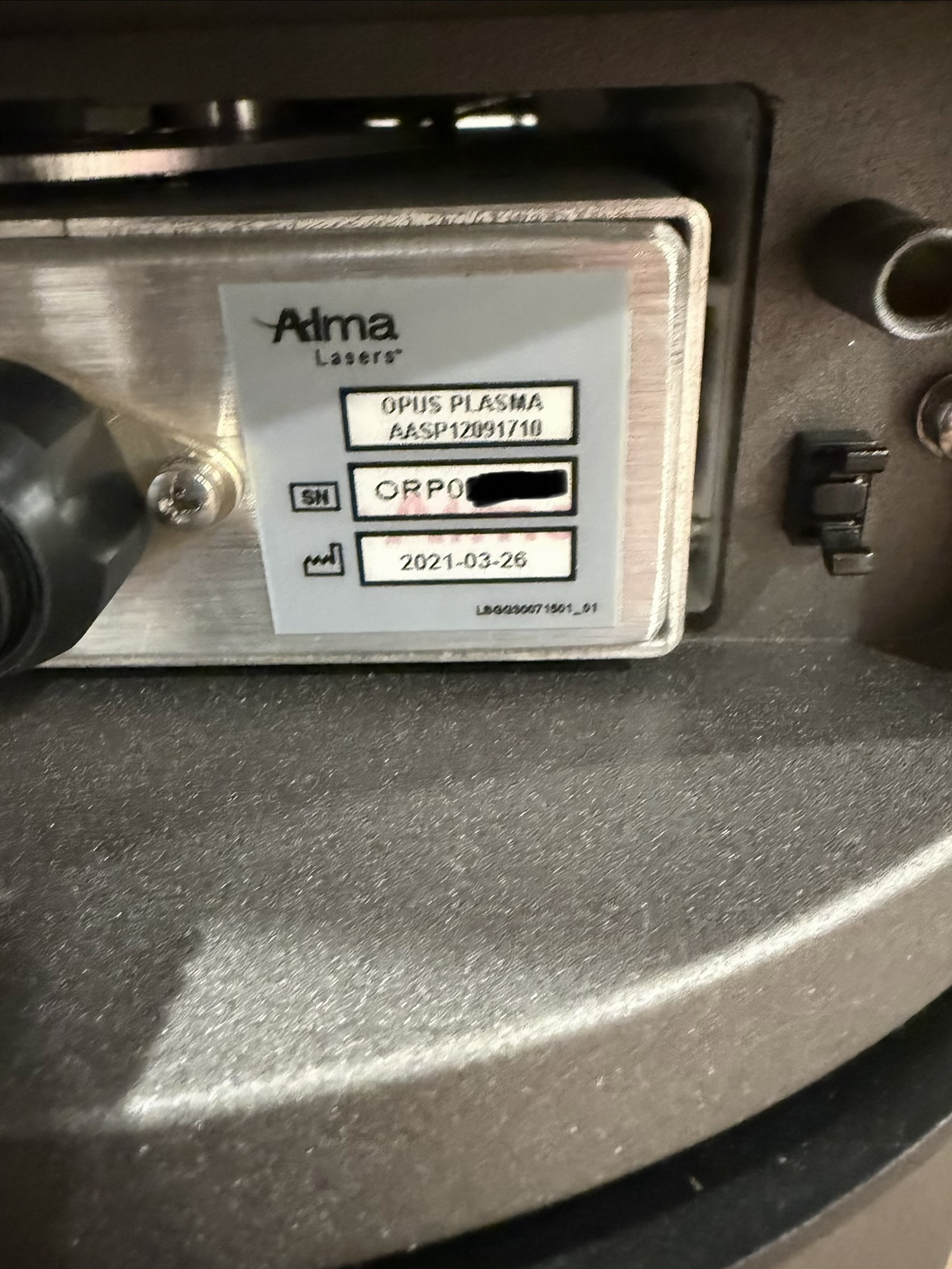



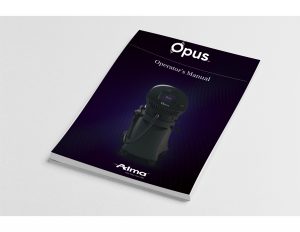
2021 Alma Opus RF For Sale – Overview
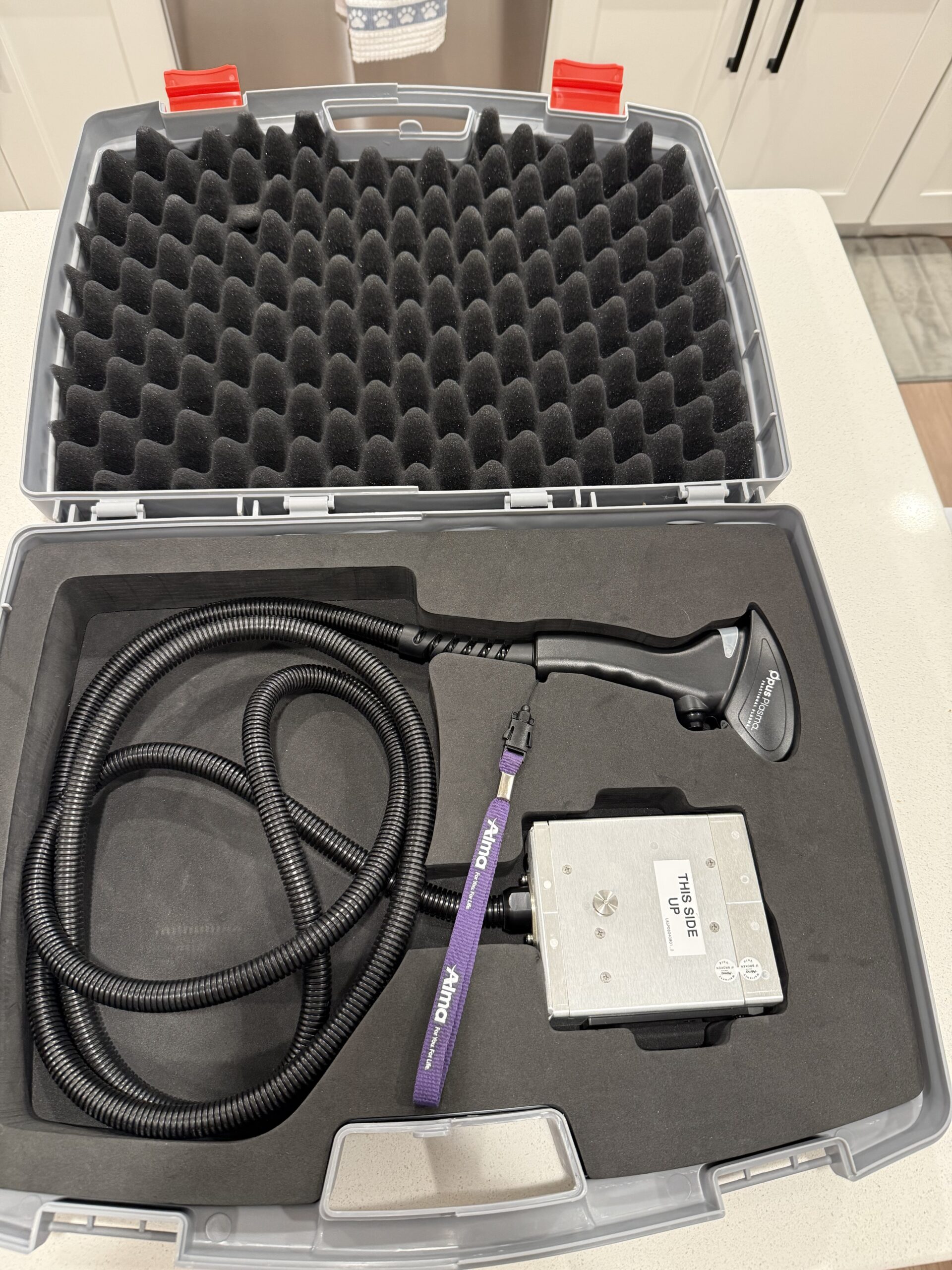
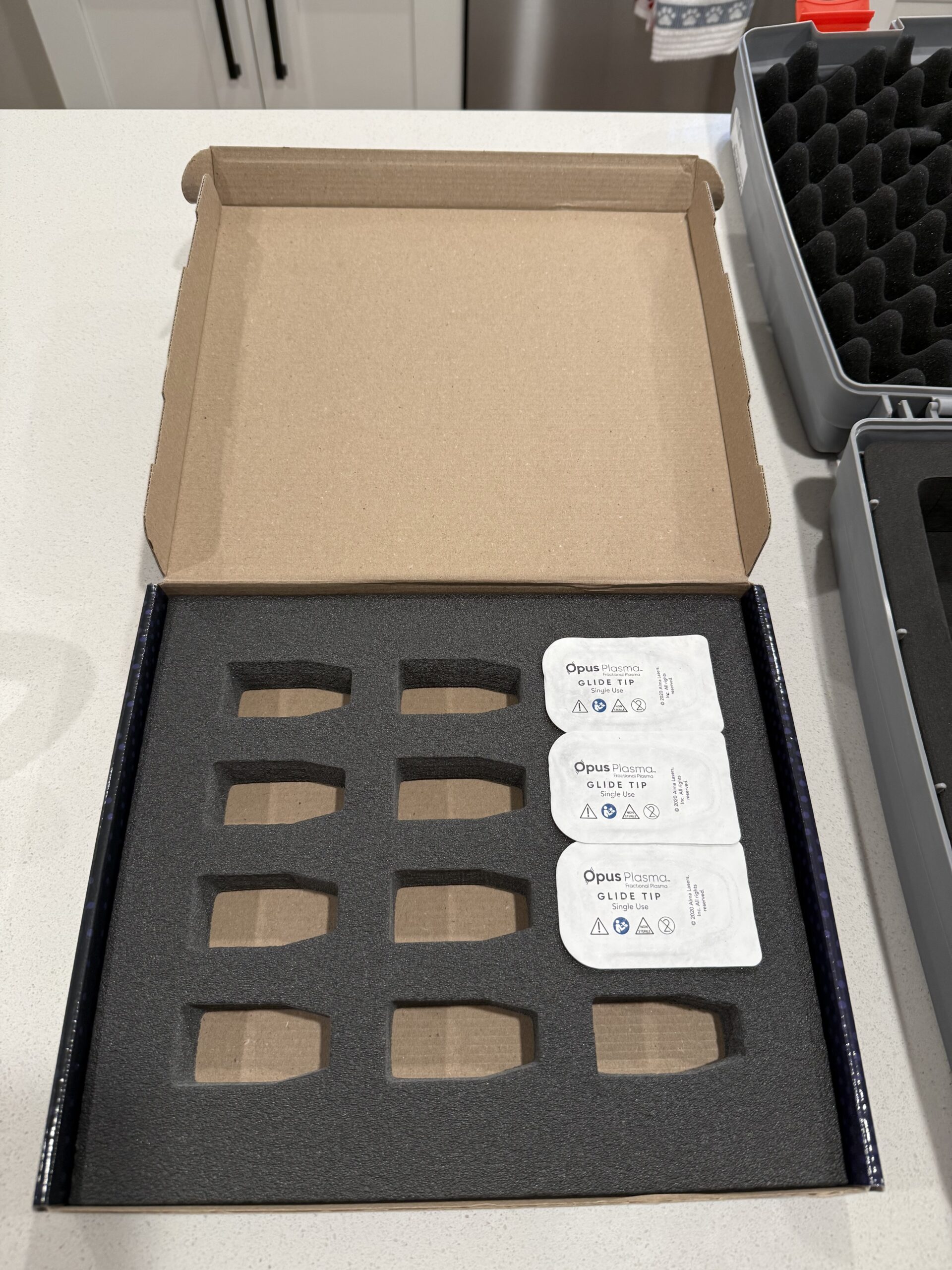
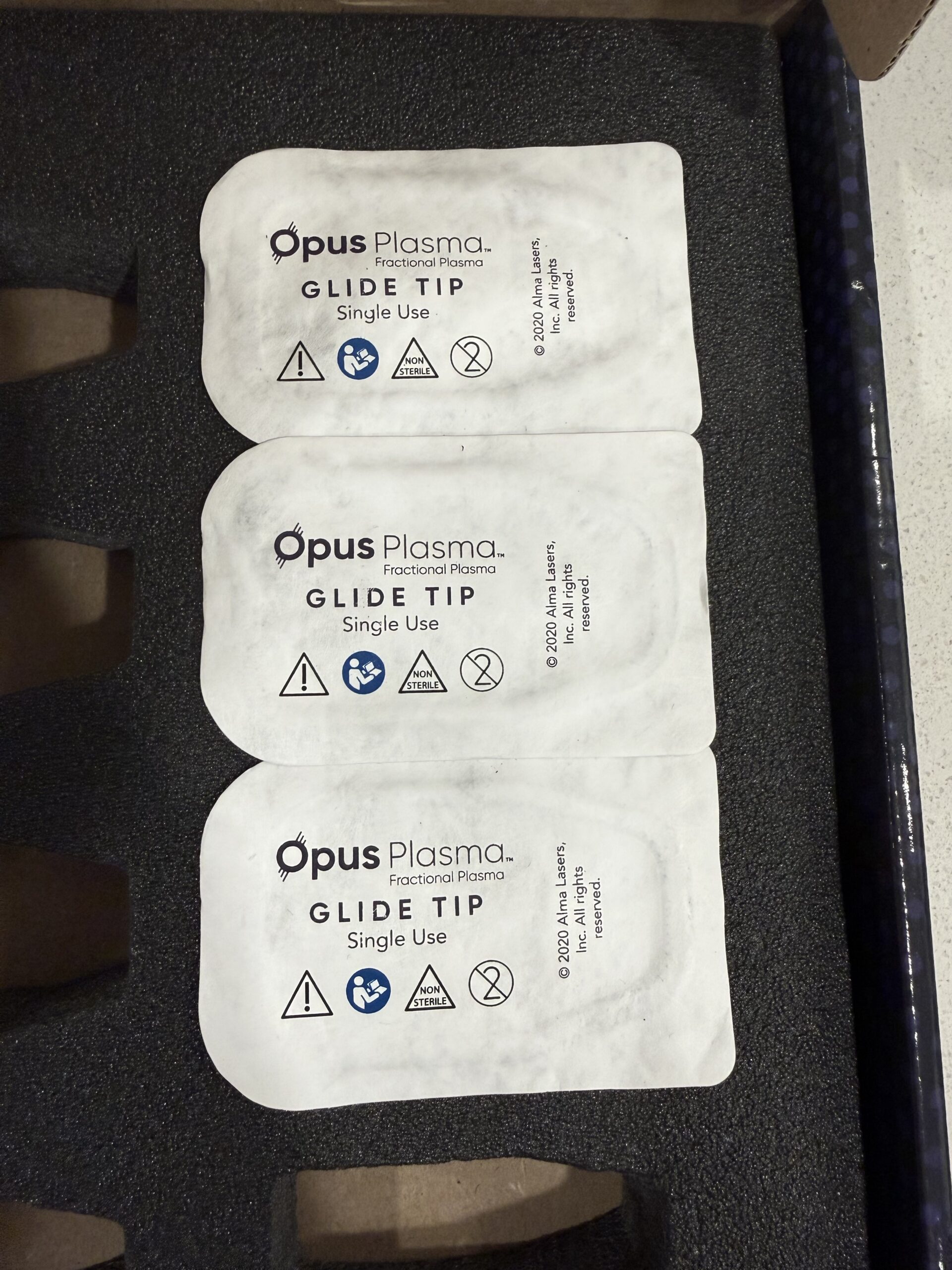
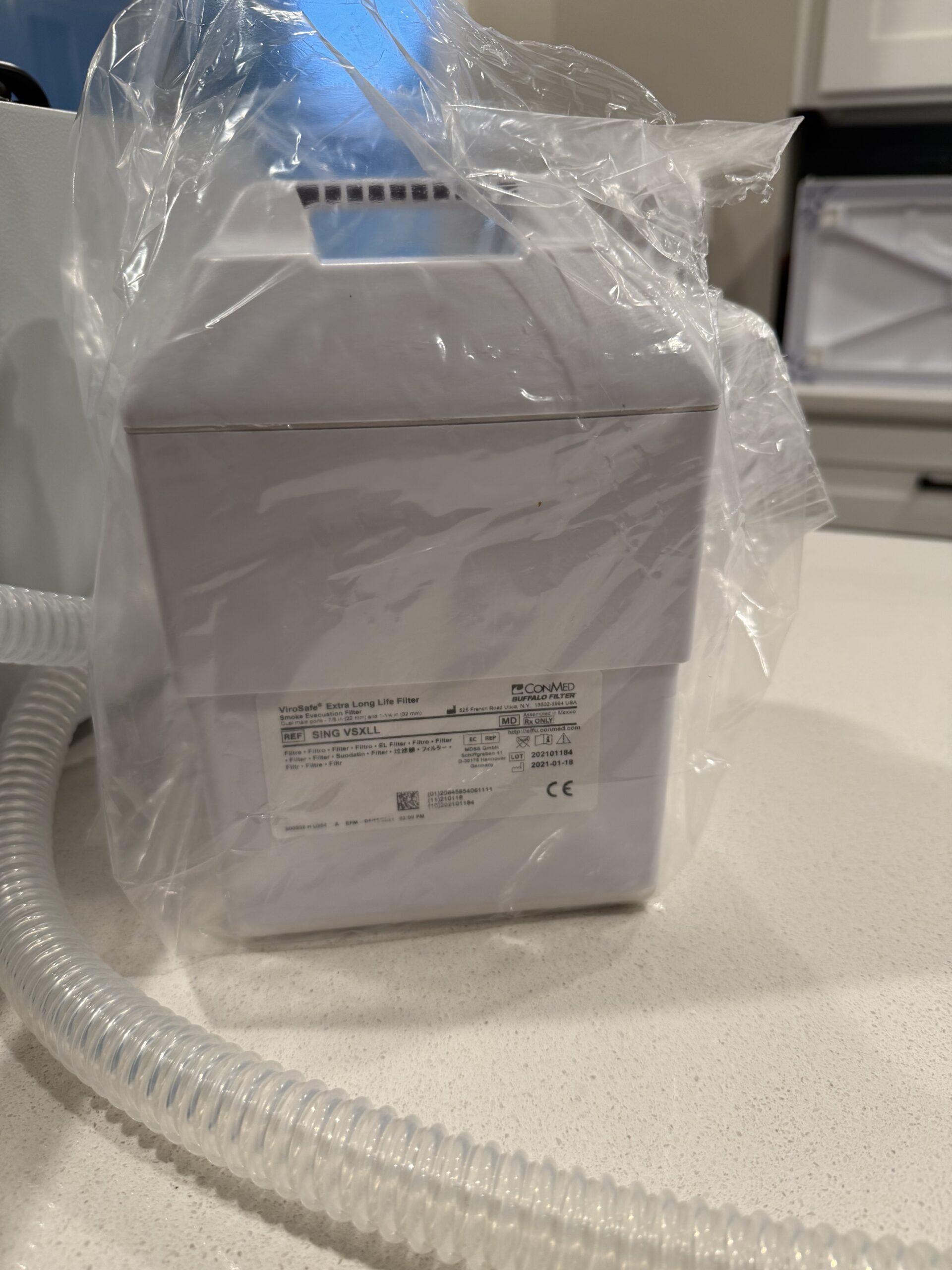
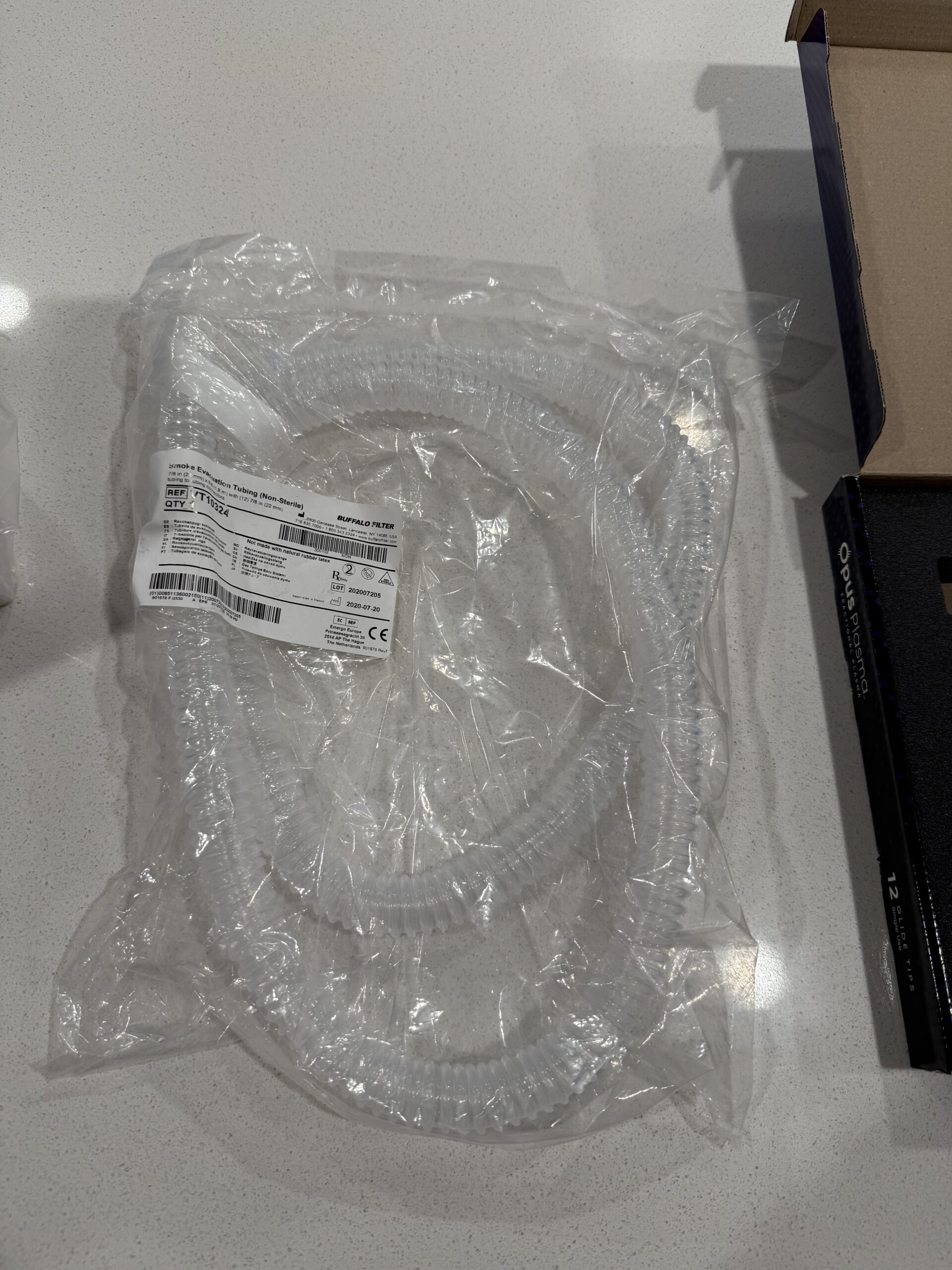
This 2021 Alma Opus RF for sale includes the Opus Plasma handpiece. Additionally, this used Alma Opus RF system includes Plasma Focus tips, Glide Plasma tips, and consumable support. Buyers can access tips and service without manufacturer recertification fees.
Warranty & Buyer Confidence
Rock Bottom Lasers stands apart because most aesthetic laser resellers do not include warranty coverage. However, we include warranty and guarantee this 2021 Alma Opus RF system will work upon delivery and proper installation. The warranty covers defects in materials and workmanship, excluding abuse, misuse, or force damage.
Affordable Service Support
Furthermore, warranty coverage includes parts, labor, shipping, and travel. Rock Bottom Lasers also refers qualified technicians across the USA. Therefore, buyers receive low-cost service options for this pre-owned 2021 Alma Opus RF, often far below manufacturer service costs.
Availability
We have this 2021 Alma Opus RF for sale ready to ship and available for immediate purchase. In addition, inventory availability may change, so we recommend early inquiry.
See our Radio Frequency For Sale
Platform General System Information
The information below reflects general manufacturer specifications for Alma Opus platforms. Included handpieces and configuration may vary with each specific unit.
Alma Opus RECERTIFICATION & CONSUMABLES
Alma Recertification Fee: $30,000
Consumables Needed:
Plasma Handpiece: Glide Tips; Cost of Glide Tips: $105 Each, Sold in (12) Box Count;
Colibri Handpiece: Colibri Tip, Cost of Colibri Tips: $105 Each, Sold in (6) Box Count;
Alma Opus PRODUCT SPECIFICATIONS
RF Output Power: 5–100 W
Operation Modes:
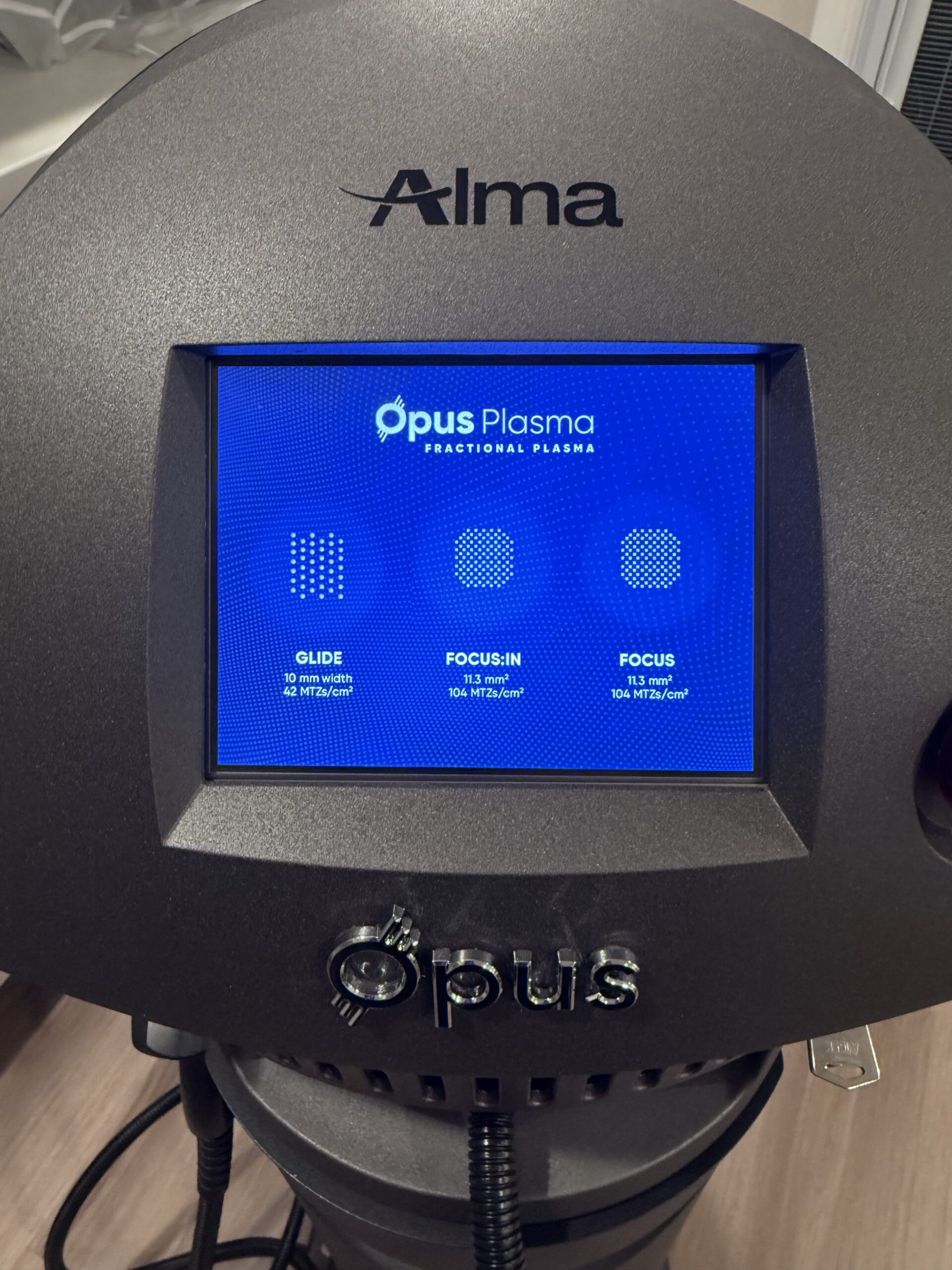
- Glide Roller: In-motion mode
- Focus In (Spring): Stationary mode
- Focus (ZigZag): Stationary mode
Output Frequency: 40.68 MHz ±10 kHz
Compatible with disposable treatment tips
No active cooling
Activation Methods: Handpiece trigger and footswitch
Fully computerized microprocessor-based system
LCD touchscreen graphical user interface
Audible energy emission and error-condition indicators
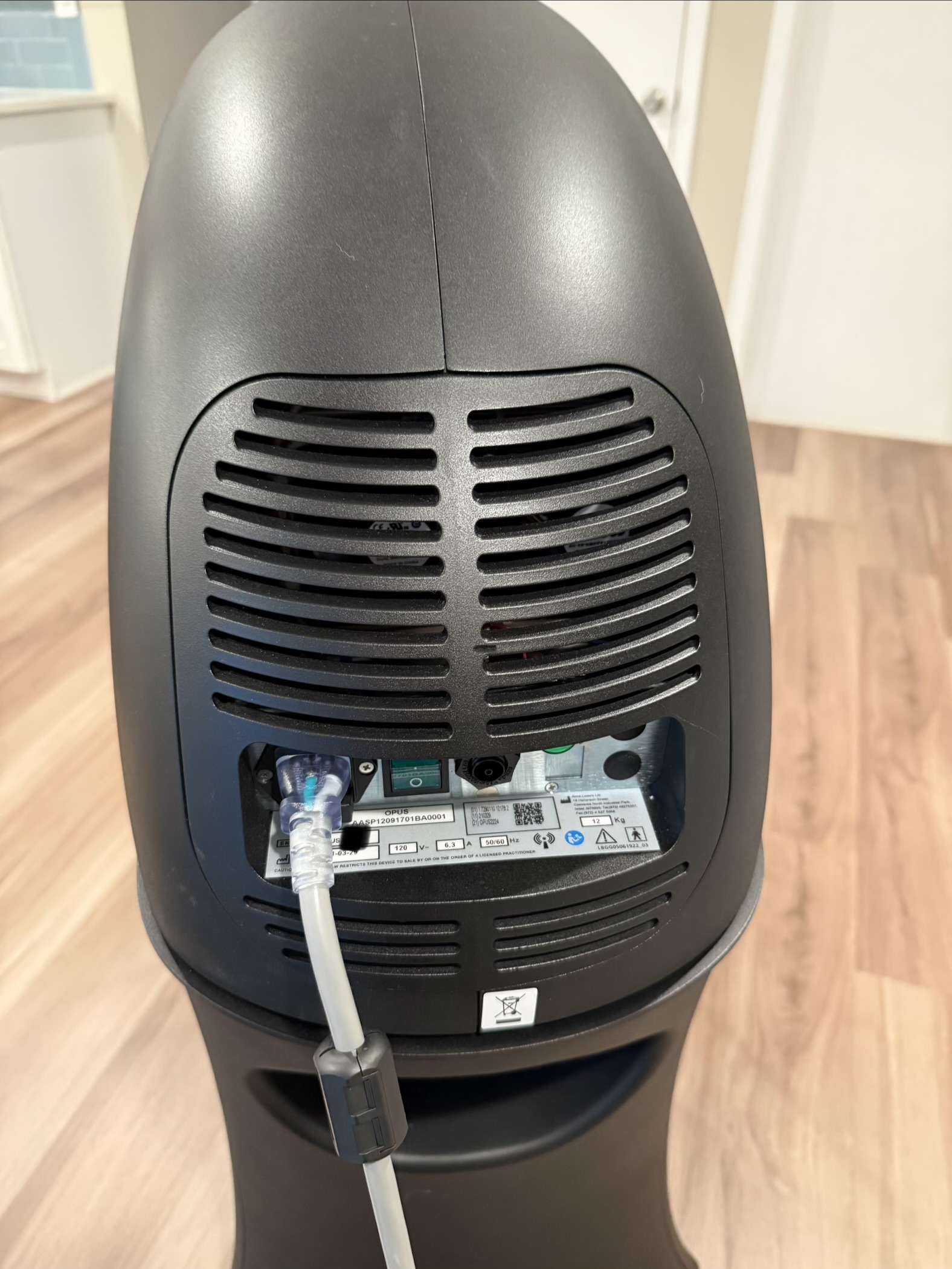
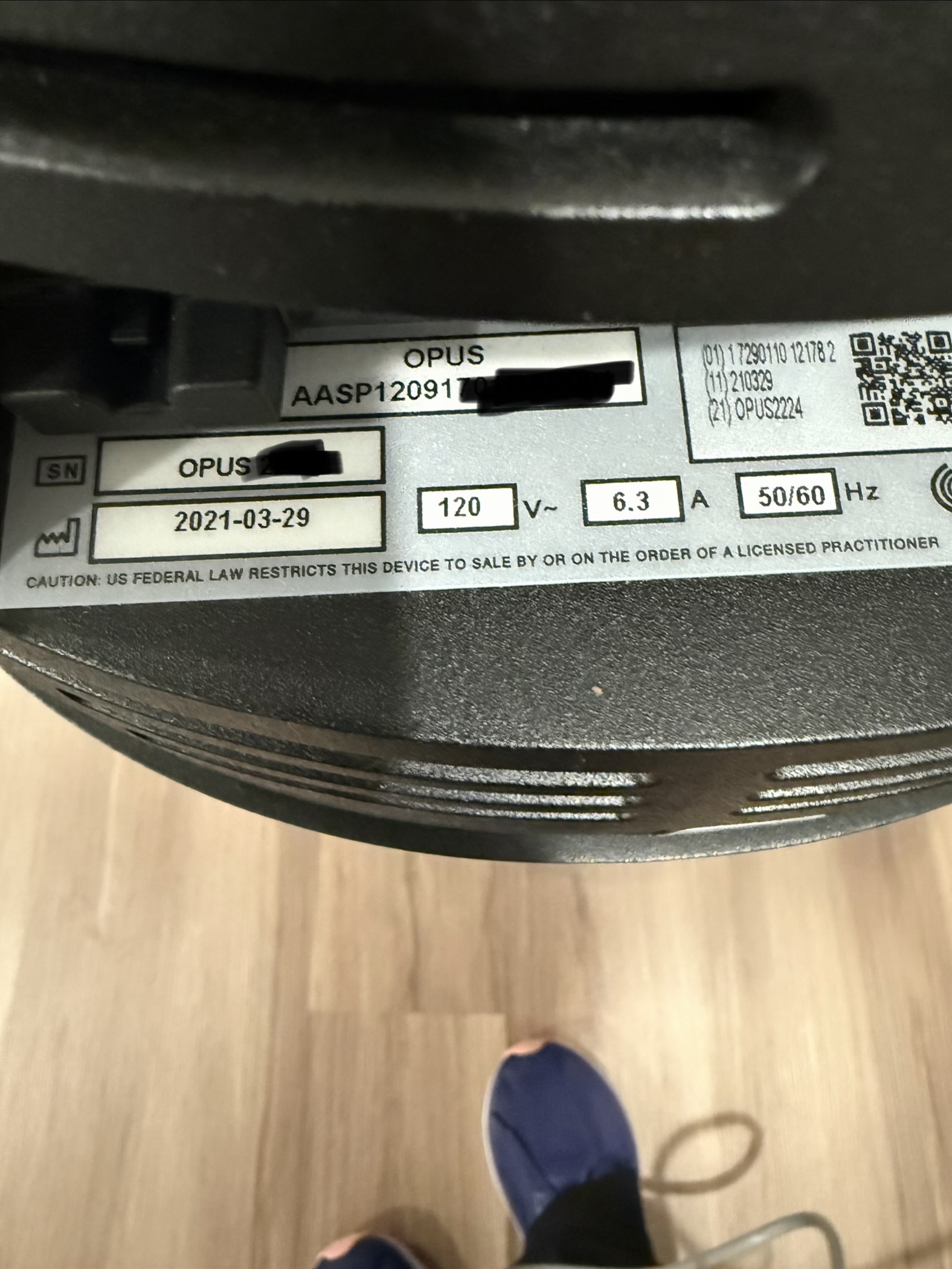
Power Ratings: 120VAC, 50/60Hz, 6.3A
Class I medical electrical equipment
Alma Opus MANUFACTURER NOTES
WHAT IS OPUS PLASMA/HOW DOES IT WORK
The first-of-its-kind fractional plasma technology, Opus Plasma represents a new chapter for energy-based devices, addressing global or localized textural and skin quality concerns often corrected with conventional fractional resurfacing lasers in the past
- Operating at a high frequency of over 40MHz, the metal pins on the Opus Plasma tips are super-charged with high-voltage
- When in close proximity of the skin, the charged pins react to atmospheric pressure in the air, creating plasma that in turn, creates the microthermal zones of fractional injuries
- Our Opus treatment delivers radio frequency energy at multiple levels to customize a treatment for your specific skincare concerns, using a range of settings to safely and effectively resurface the skin
- Able to treat face, neck, decollete, hands, stomachs, etc.
DOES IT HURT/WHAT IS THE DOWNTIME
- We will apply a numbing cream before the treatment to make you as comfortable as possible, but you may still feel mild heat and pressure during the treatment
- We also offer and highly recommend a prescription numbing cream
- After a consultation, our Nurse will write you a prescription that we call in to Wellspring. This numbing cream is around $40 and allows us to turn up the machine resulting in a much better treatment
- Most people tolerate the treatment well
- You may experience some redness, but you can go back to your usual routine immediately after the treatment
- You will appear to have a sunburn look
- Your specialists will talk to you about aftercare at your consultation
HOW MANY TREATMENTS WILL I NEED
- We are getting incredible results as soon as the first treatment, however for maximum results we are recommending 3-4 treatments
- The results of Opus Plasma Spark are permanent
- Natural aging will still occur, so to maintain results you can have a maintenance treatment as often as every 6 months
INDICATED USES
- Fine lines and wrinkles
- Skin laxity
- Uneven tone
- Unwanted pigmentation
- Stretch marks
- Acne scars
Opus Plasma Handpiece – used with Focus Tip (Reusable Tips)
The Opus Plasma® Focus Tip treats specific, localized areas with thermal coagulation. The stamping technique used with this tip allows for exact tracing of targeted laxity.
Opus Plasma Handpiece – used with Glide Tip (Consumable Tip)
The Opus Plasma Glide Tip delivers dermal ablation with a unique, in-motion technique. Complete and full-face procedure in under 15 minutes with this Glide Tip.
Opus Colibri Handpiece – used with Colibri Tip (Consumable Tip)
The Opus Colibri® handpiece provides precise delivery of ablation and thermal coagulation all in one handpiece. The 0.7 mm tip targets hard-to-reach areas and treats a variety of skin resurfacing conditions.
Opus, a new modern aesthetic platform featuring the company’s proprietary high-frequency unipolar radio-frequency technology, Opus Plasma.
Reportedly the first-of-its-kind fractional plasma technology, Opus Plasma is engineered to address global or localized textural and skin quality concerns often corrected with conventional fractional resurfacing lasers in the past.
It is reportedly the first fractional plasma technology to enter the fractional resurfacing category, according to the company in a news release.
Doctor Reviews
“Fractional plasma will change how we think about resurfacing. If full-field CO2 technology was resurfacing 1.0, and fractional technology was resurfacing 2.0, fractional plasma technology is resurfacing 3.0,” says Jeffrey Hsu, MD, FAAD, a board-certified dermatologist at Oak Dermatology in the Greater Chicago Area.
“I can produce results to match the most aggressive CO2 laser or the gentlest laser peel in a fraction of the procedure time and much less patient downtime. The results we’re seeing with Opus Plasma are quite impressive, even after just one treatment,” he adds.
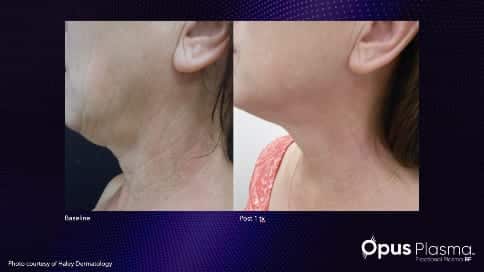
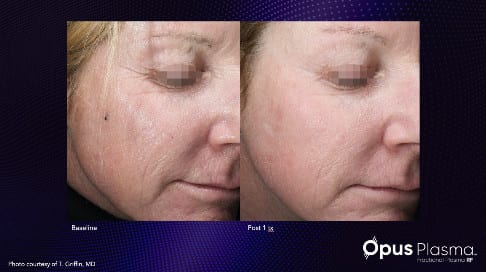
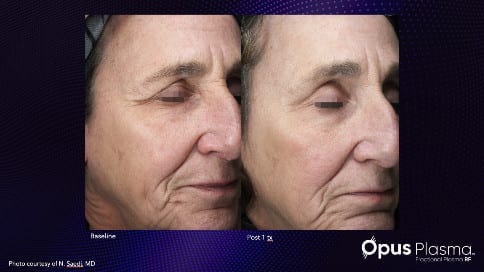
Operating at a high frequency of over 40MHz, the metal pins on the Opus Plasma tips are super-charged with high-RF voltage. When in close proximity of the skin, the RF-charged pins react to atmospheric pressure in the air, creating plasma that in turn, creates the microthermal zones of fractional injuries.
The plasma intensity can be adjusted based on the desired ablation effect, which further expands the versatility of the technology – a light, moderate or aggressive resurfacing result can be achieved based on the desired outcome and patient skin type, per the release.
Frequently Asked Questions
1. How does fractional plasma technology differ from traditional CO2 lasers?
Unlike conventional ablative lasers, the Alma Opus uses high-frequency unipolar radiofrequency (RF) energy combined with fractional plasma technology. As the RF energy touches the skin, it interacts with atmospheric oxygen and nitrogen to create a plasma spark. This allows operators to achieve ablative-level skin resurfacing and collagen stimulation with up to 50% less downtime than a fractional CO2 laser.
2. Can the energy depth and power be controlled during treatments?
Yes. Operators frequently ask if they can modulate the device for varying skin types and thicknesses. The Opus is equipped with patented Phase-Shifter technology that allows the user to fine-tune the delivery of RF and plasma output. This allows the provider to tailor treatments for different concerns (e.g., deeper heating for structural tightening versus lighter passes for fine lines and pigmentation).
3. How long is the downtime and recovery period?
Downtime is minimal compared to older resurfacing technologies. Patients usually experience mild to moderate redness and localized swelling that lasts roughly 1 to 3 days. Depending on the aggressiveness of the session, some patients may experience minor flaking or a “sandy” texture to the skin for a few days, but they can typically return to normal activities within 24–48 hours.
4. What is a treatment session like, and how long does it take?
A full-face treatment typically requires multiple passes over the skin and takes only 10 to 15 minutes to complete. Before the session begins, a topical numbing cream is generally applied for 30–60 minutes to ensure patient comfort. Once numb, the procedure is very well-tolerated, with patients generally reporting only a warm, prickling sensation.